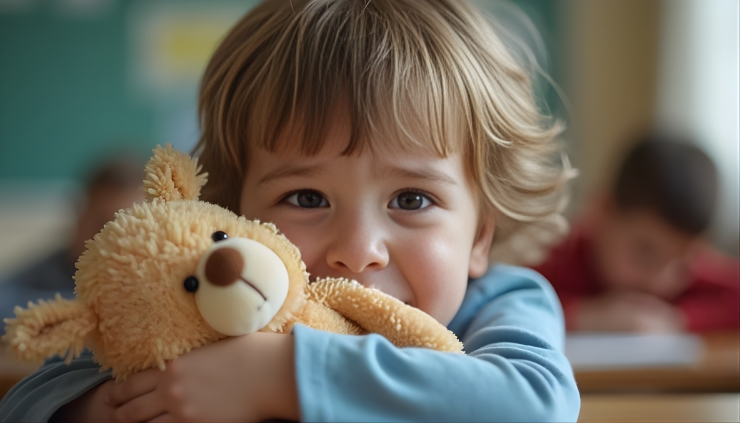
A preschool child holding a comfort toy during drop-off to ease separation anxiety.
Starting preschool is a big step for both children and parents. For many young children, this transition brings a wave of separation anxiety that can feel overwhelming. Understanding what separation anxiety looks like, why it happens, and how parents can support their children during this time is crucial. This post explores the emotional challenges preschoolers face, offers practical advice, and highlights ways to build resilience in young children.
Separation anxiety is a normal emotional response when a child feels distress after being separated from their primary caregivers. It usually appears in children between 8 months and 3 years but can resurface or intensify when starting preschool. This anxiety is a sign of a strong attachment to parents or caregivers, which is healthy but can be challenging during transitions.
In preschool, separation anxiety may show up as:
These behaviors reflect the child's emotional struggle to adjust to a new environment without their familiar support system.
Preschool introduces many new experiences that can trigger anxiety:
Children rely heavily on their caregivers for emotional security. When that connection is temporarily broken, their feelings of safety can feel threatened, leading to anxiety.
Recognizing the emotional signs of separation anxiety helps parents respond with empathy and support. Besides the obvious crying or clinging, watch for:
Each child expresses anxiety differently. Understanding your child's unique emotional cues is key to helping them cope.
Parents can take several steps to make preschool transitions smoother and reduce anxiety:
Children pick up on parental anxiety. Staying calm and confident helps your child feel safe.
Separation anxiety usually improves within a few weeks as children adjust. However, if anxiety:
consider consulting a pediatrician or child psychologist. Early support can prevent anxiety from affecting long-term emotional health.
Separation anxiety is an opportunity to help children develop emotional resilience. Resilience is the ability to bounce back from challenges and adapt to change. Parents can foster resilience by:
These skills will benefit children beyond preschool, helping them face future challenges with confidence.
Separation anxiety at preschool is a common emotional response as children face new environments and routines. Recognizing the signs and responding with empathy helps children feel secure. Parents can ease anxiety by preparing children, establishing goodbye rituals, and working closely with teachers. Building emotional resilience supports children's growth and adjustment. If anxiety persists or worsens, professional guidance may be needed. Understanding and addressing separation anxiety empowers parents to support their children's healthy development during this important stage.
← Back to BlogDate: May 15, 2026
Time: 9:00 AM – 11:00 AM
Location:
1. Peter Pan Academy
2. Little Seeds Children’s Center
3. Peter Pan Preschools
Date: May 15, 2026
Time: 5:30 PM – 8:30 PM
Register Now:
1. Peter Pan Academy
2. Little Seeds Children’s Center
3. Peter Pan Preschools